
By Teddy Ballard
Foreword by Chuck Ritter
“You don’t need surgery, Chuck,” my physical therapist told me in 2016.
“Well, the specialists and surgeons say it’s the only way to fix my chronic plantar fasciitis,” I replied.
He shook his head and countered, “I’ll make you a deal. Let’s try my way for three months. It won’t be pleasant, and it’ll take a lot of work at home. But I bet we can fix this without surgery.”
I agreed, and over three months, we dry-needled my calves, broke up scar tissue, started using custom orthotics, and committed to thirty minutes of specific mobility exercises daily. He was right—we fixed it. My issues weren’t random; they resulted from years of improper training.
I used to live by the philosophy of “just train hard.” Training intensely up to three times a day, my body managed to recover in my younger years. But as I aged, I realized grit alone wasn’t enough. In my 30s, I developed severe calf and foot issues requiring intensive physical therapy. Today, I deliberately incorporate mobility, flexibility, and stability work into every training routine.
I recently underwent my 34th surgery due to job-related injuries in the Army. I have two artificial hips, a fused back, a reconstructed right shoulder, a rebuilt right hand, and a reconstructed jaw. I’ve relearned how to walk three times. Despite all this, I plan to run a 50-mile race by year’s end and take every military service’s fitness test in December.
I won’t accomplish this because I’m superhuman—I’ll do it because I train smarter. Intentional mobility work is non-negotiable for me now. Teddy Ballard has been instrumental in my recovery, helping me stay strong throughout my career. At first, I resisted his movement patterns, but once I committed, my body thanked me. His approach ensures longevity, and I encourage you to embrace it.
Mobility for Longevity
[Teddy Ballard]
Mobility is often misunderstood. Many assume stretching alone will improve flexibility and prevent injuries, but it’s not simple.
Some individuals are hypermobile (having too much motion) and can stretch themselves into instability if they exceed natural joint and muscle limitations. These athletes often enjoy yoga due to their inherent flexibility.
Others are hypormobile (having restricted movement), meaning mobility work is crucial for them.
Regardless of where you fall on the spectrum, all tissues lose pliability and hydration with age. Surgeries and injuries accelerate this process, leading to stiffness, joint compression, and difficulty in rehydrating tissues. Staying mobile requires hydration, quality sleep, and strategic movement.
Why Mobility Matters
Single-limb training is an effective way to enhance mobility and function. It teaches control, enhances joint awareness, and reduces overuse injuries common in runners, ruckers, and tactical athletes.
Mobility should be a daily priority for athletes and service members. The following exercises target commonly restricted areas, which, if left unchecked, contribute to pain, headaches, and poor movement patterns.
Incorporate these into a 5-10 minute daily routine and track your progress. Hold each position for 30-60 seconds while practicing deep, controlled breathing. Consult a medical professional if any exercise causes numbness, tingling, or severe pain.
These mobility drills can be performed between sets in the weight room or after training sessions.
Essential Mobility Exercises
Pec Minor/Major Release
Tight pecs can compress the shoulder, causing neck and upper back stress. Instead of the traditional doorway stretch, try this safer alternative to restore shoulder function.

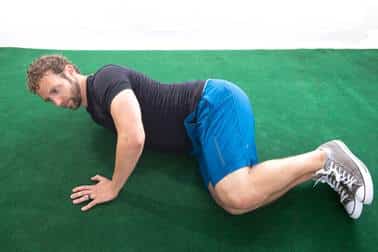
Hip Flexors & Quads Stretch
Your hip flexors connect to the spine, supporting posture and propulsion. However, they can also cause excessive compression of the lower back, hips, and knees. The prone (face-down) stretch is an excellent alternative to the common tall-kneeling version, minimizing compensations. Hold for 30-45 seconds per side, repeating twice. Consider adding these between hamstring curls and reverse hypers.

Thoracic Spine & Lat Mobilization
The thoracic spine is critical for transferring force from the lower to the upper body, impacting performance in running, overhead training, and even breathing. Perform 5-10 reps of this mobilization between overhead exercises or as a break from screen time.

Suboccipital Release
Stiffness in the neck can cause headaches and limit movement. The uppermost spinal joints are crucial for head rotation, but modern postures and training habits can lead to tightness.
To release tension, place two tennis balls in a sock or use taped lacrosse balls. Position them at the base of your skull. Focus on deep belly breathing for 30-60 seconds as pressure reduces pain. Then, add a gentle chin tuck to restore natural head movement.

Final Thoughts
Mobility work isn’t an afterthought—it’s a necessity. Incorporating these targeted drills into your routine will maintain movement quality, reduce injury risk, and extend your performance longevity. Prioritize mobility today so your body continues to perform for years to come.
_____________________________________________________
Dr. Theo Ballard is a Board Certified Orthopedic and Sports Physical Therapist who specializes in helping athletes maintain a high level of performance tailored to their specific job demands.
He spends his time both in and out of the clinic educating, evaluating, and treating athletes on how to prepare, perform, and recover optimally to reduce injury risk and ensure longevity.
Teddy owns TBPhysio, a company dedicated to teaching people how to train smarter.
_______________________________________________
Check out our Social Media and The Objective Podcast! This Linktree goes to all of our outlets.
Sign up for our newsletter to get updates on our latest articles, podcast episodes, events, and more on our Homepage!
You can learn more about Objective Arete and our Team Here.
We seek writers who want to share stories, lessons learned, and opinions that can help others. If you would like to publish with us, please email Ayman@objectivearete.com.
Live With Purpose, Embrace Adversity, and Relentless
Buy Me A Coffee
If our words resonate, help us keep writing them.
The Arete Journal exists for those striving to grow—individuals committed to becoming stronger, wiser, and more impactful for their families, communities, and society. We don’t run ads in our journal. We don’t chase clicks. We rely entirely on the generosity of readers like you.
If our work has inspired you, challenged you, or helped you on your journey, consider supporting us. Every donation fuels the next insight, the next story, the next spark of growth.
Buy us a coffee (Small donation)—and help build a better future, one idea at a time.



Leave a Reply